
Industrialization & Revolutions (1750–1914)
Explore the seismic shift from hand-crafted tradition to machine-led innovation as global societies grappled with the profound economic, social, and political transformations of the modern industrial age. This category tracks the pulse of progress and upheaval that redefined human life between 1750 and 1914.
Wikipedia topics
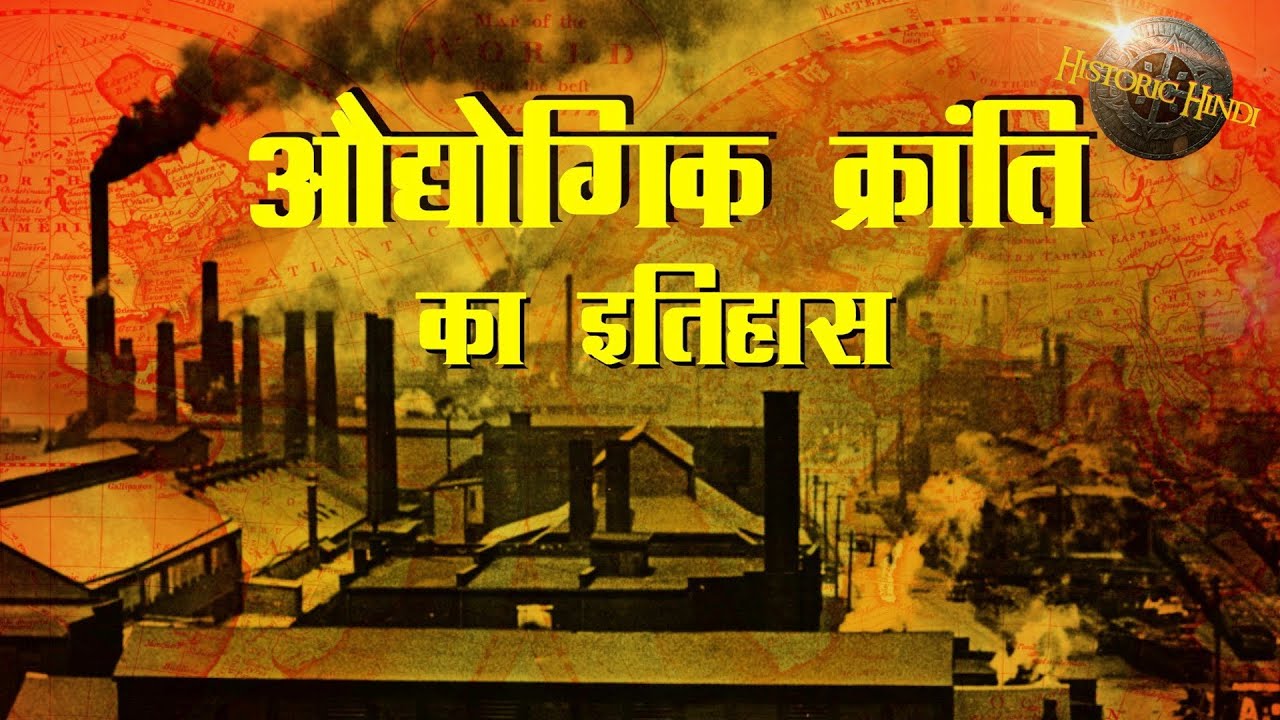
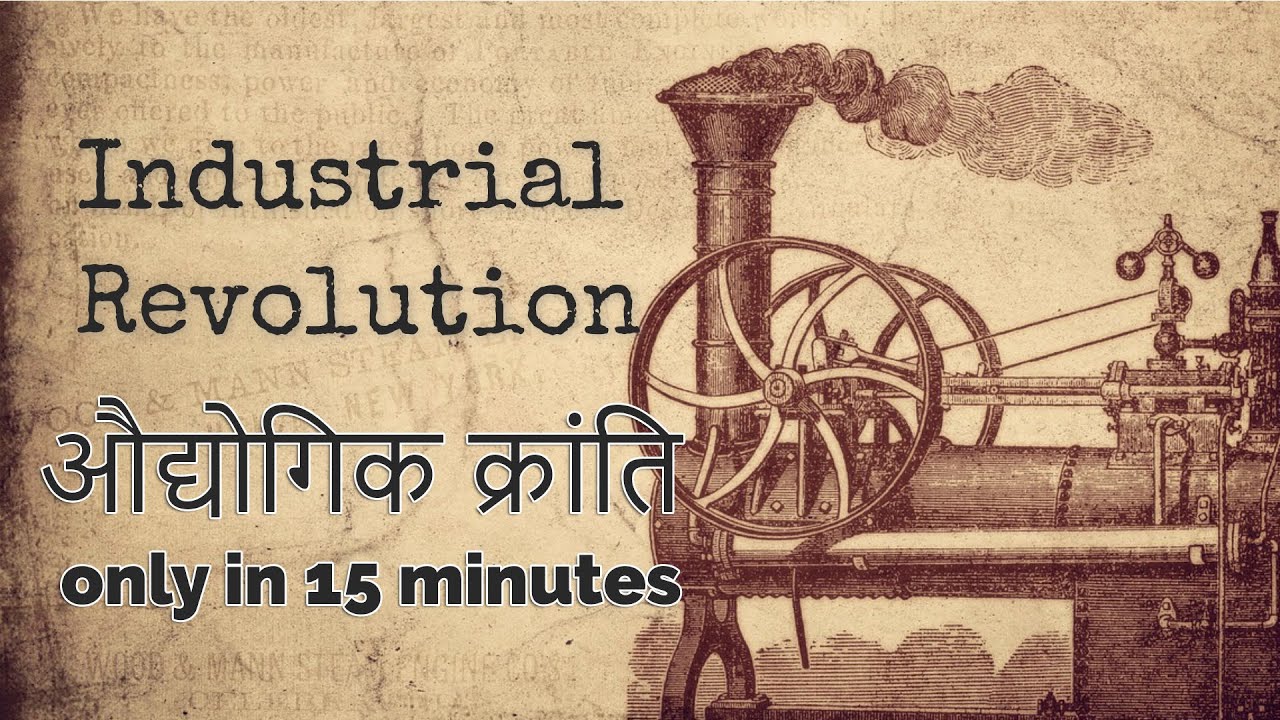
- Industrial Revolution This is the foundational event of the period, marking the transition to new manufacturing processes and the shift from agrarian economies to machine-driven industrial ones.
- French Revolution It fundamentally challenged the traditional social and political order of Europe, setting the stage for the rise of nationalism and liberalism that defined the era.
- Steam engine The invention and perfection of the steam engine provided the essential mechanical power that drove factories, railways, and maritime trade during the 19th century.
- Capitalism The rise of modern industrial capitalism served as the core economic system that incentivized rapid technological development and global trade expansion.
- Urbanization The rapid migration of populations from rural areas to industrial cities changed the structure of society and created the modern urban experience.
- New Imperialism Industrial nations sought raw materials and new markets for their manufactured goods, leading to the aggressive colonial expansion that characterized the late 19th century.
- The Communist Manifesto This seminal text captures the era's critical reaction to industrial inequality and the emergence of socialism and labor movements as major political forces.
- Meiji Restoration This demonstrates the globalization of the industrial model, as Japan rapidly transformed from a feudal society into a modern industrial power.
- Second Industrial Revolution This phase highlights the later technological advancements in steel, electricity, and chemicals that further accelerated global connectivity and economic growth.
- Transcontinental railroad The construction of massive rail networks illustrates the transformation of space and time, enabling the integration of national economies and the expansion of the industrial state.
🔥 Trending Now




Top Rated Industrialization & Revolutions (1750–1914) Resources
Filter Industrialization & Revolutions (1750–1914) Resources
15 resources found
All Industrialization & Revolutions (1750–1914) Resources


Weekly picks in Industrialization & Revolutions (1750–1914), free - join the newsletter.



Popular Tags
Books
0 books available
No books yet